Analog Bag
Best Minimalist Smartphones in 2026: Smart Phones That Won't Wreck Your Attention
A minimalist smartphone is the middle path: it still has a touchscreen, maps, and a camera, but it's built (or set up) to stop pulling you in. Here are the 6 best minimalist smartphones of 2026 — and the free option most guides won't tell you about.


There's a question I get a lot: "I want to use my phone less, but I still need maps, WhatsApp, and a decent camera. A dumb phone is too far. What do I actually buy?"
The answer is a minimalist smartphone — and it's a different thing than a dumb phone. A dumb phone (like the Nokia 3210) physically can't run apps. A minimalist smartphone can run apps; it's just designed, or deliberately set up, to make you reach for them less. Touchscreen, real camera, maps when you need them — but no infinite feed engineered to keep you there.
This distinction matters because the best dumb phones solve a problem most people don't actually have. Very few of us can drop maps and group chats cold turkey. What most people want is a smart phone that stops behaving like a slot machine.
The stakes aren't trivial. The average American checks their phone 205 times a day — roughly once every five waking minutes. A 2017 University of Texas study found that simply having your smartphone in the room, even face-down and silent, measurably reduces your available cognitive capacity. The device doesn't have to buzz to cost you. It just has to be there, smart.
So this guide ranks the 6 best minimalist smartphones of 2026 by how well they kill that pull — from purpose-built minimalist hardware to the de-Googled Android route, to a grayscale trick that costs nothing. I'll tell you who each one is actually for, and end with the free option that beats most of them.

First: What Actually Makes a Smartphone 'Minimalist'?
Before the picks, a definition — because half the phones marketed as 'minimalist' are just normal phones in a beige case. A genuine minimalist smartphone does three things. One: it removes or hides the infinite-scroll surfaces — no pre-installed feed apps, or a launcher that buries them. Two: it reduces visual reward — many use E-Ink or default to grayscale, because color is a big part of what makes apps compulsive. Three: it adds friction — a black-and-white app list instead of colorful icons, no badge notifications, a home screen that shows you the time and nothing else. What it keeps: calls, texts, maps, a camera, and usually a way to run one or two essential apps (banking, WhatsApp, a transit app). That's the whole point. You're not punishing yourself. You're removing the casino while keeping the calculator. If a phone keeps the full app store and a glossy color feed one swipe away, it isn't minimalist — it's just quieter marketing.
The 3 Tests of a True Minimalist Smartphone
- Removes or hides infinite-scroll feeds (the actual addiction surface)
- Reduces visual reward — grayscale or E-Ink by default
- Adds friction so using an app is a decision, not a reflex
- Keeps the genuinely useful stuff: calls, maps, camera, one or two key apps

The Minimal Phone (Best Purpose-Built Pick)
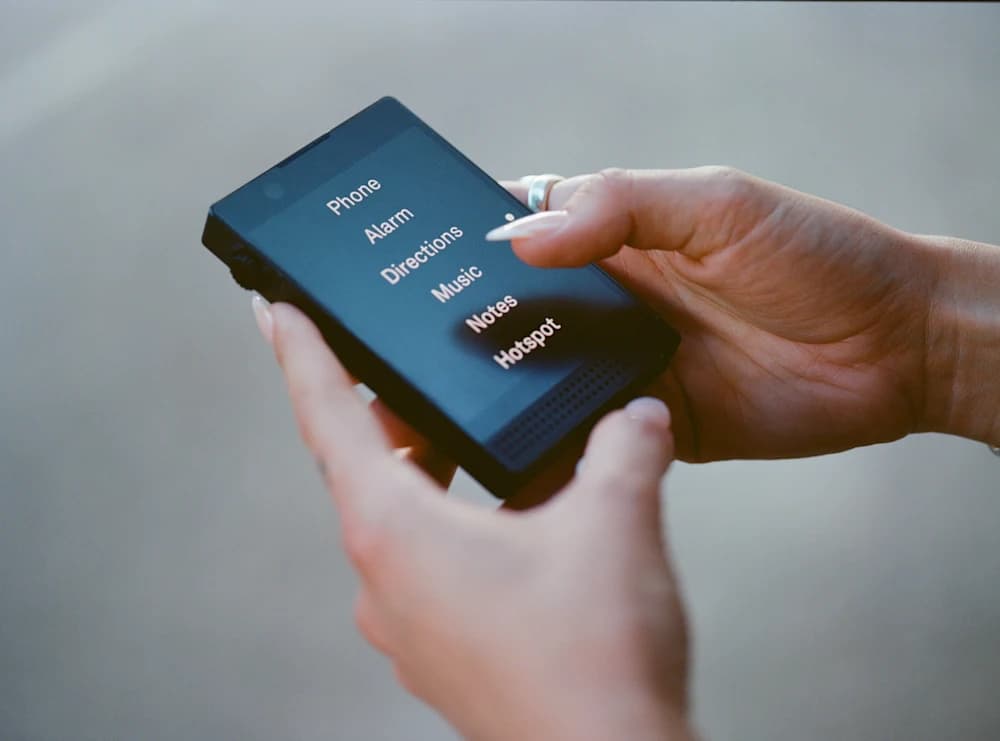
The Minimal Phone is the one device on this list designed from scratch to be a minimalist smartphone — and it nails the brief better than anything else in 2026. The headline feature is the screen: a 4.3-inch E-Ink display with a physical QWERTY keyboard underneath, like a BlackBerry that took a meditation retreat. E-Ink is the secret. It refreshes too slowly for video to feel good, so TikTok and Reels become physically unpleasant — but it's perfect for texts, maps, e-books, and email. The glare-free matte surface also reads like paper in direct sunlight. Crucially, it runs full Android. You can install WhatsApp, Spotify, your banking app, Google Maps. The friction does the work, not a walled garden. Most people who switch report they keep the five apps they need and never miss the rest. The tradeoffs are real: E-Ink ghosting when you scroll fast, a camera that's fine-not-great, and a keyboard that takes a week to get used to. But as a do-everything phone that refuses to be a feed, nothing else comes close.
Why It Helps
- E-Ink screen makes scrolling video genuinely unpleasant (by design)
- Runs full Android — install only the apps you actually need
- Physical QWERTY keyboard keeps you off the screen
- Reads like paper in sunlight, easy on the eyes at night
Who It's For
Best for: People who want one phone that does everything but refuses to be addictive. If you read a lot or text more than you scroll, the E-Ink + keyboard combo is a revelation. Not ideal for: heavy photographers or anyone who needs smooth video.
Light Phone III (The Borderline One)
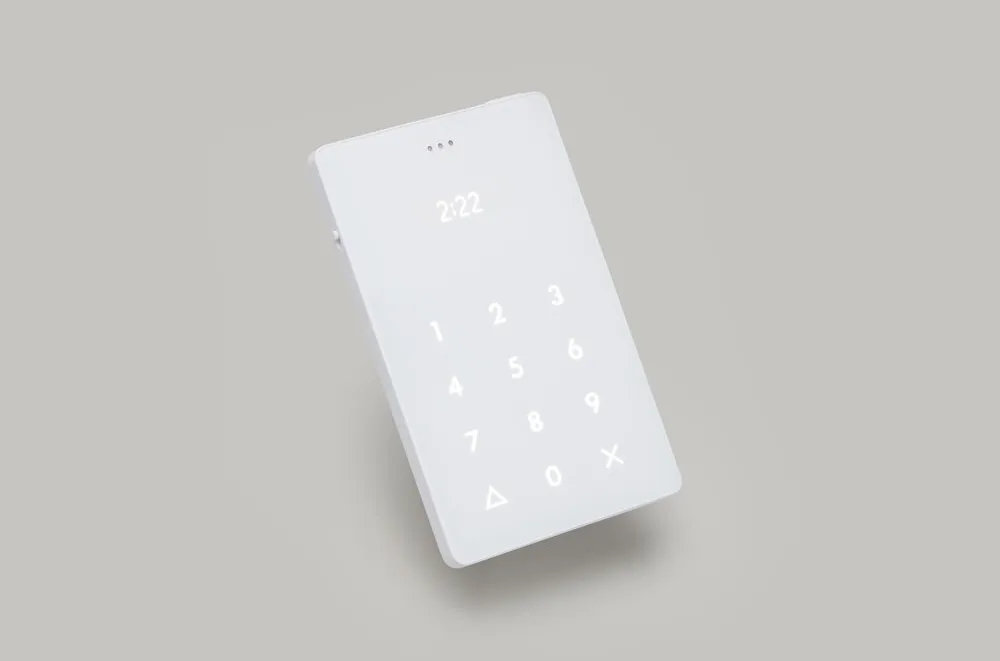
The Light Phone III lives right on the border between dumb phone and minimalist smartphone, which is exactly why it belongs here. It has a real touchscreen — a 3.92-inch matte AMOLED — plus GPS navigation, a camera, and a music player. But there's no app store and no browser, by design. What makes it a 'minimalist smartphone' rather than a dumb phone is the touchscreen and the roadmap: Light keeps adding 'tools' (their word for apps) like directions, notes, and a calculator over time, on their terms, not yours. You get a phone that grows slightly more capable without ever becoming a feed. It's the most aesthetically disciplined device on this list — the home screen shows the time and a short list of tools, full stop. The catch is price ($599) and the deliberate gaps: texting without autocorrect is rough, and if you need WhatsApp, this isn't your phone. I cover this device in depth, including three weeks of daily use, in a full Light Phone III review.
Why It Helps
- Touchscreen and GPS without any app store or browser
- The most disciplined, distraction-free interface on the market
- Premium build with a replaceable battery
- Curated 'tools' grow over time — never a feed
Who It's For
Best for: People who want the discipline of a dumb phone but a modern touchscreen and navigation. Not ideal for: WhatsApp-dependent users or anyone who texts heavily.

A De-Googled Android (Best for Privacy + Flexibility)
If you're technical, the most powerful minimalist smartphone is a regular Android phone running a de-Googled OS like GrapheneOS (on a Pixel) or /e/OS. This strips out Google's tracking and the pre-installed temptation, then lets you add back only what you choose — through a privacy-respecting app store like F-Droid or Aurora. Pair that with a minimalist launcher (Olauncher or Niagara), set the display to grayscale, and you've built a phone that's as minimal or as capable as you want, with zero ongoing subscription. The Mudita Kompakt takes a packaged version of this idea — de-Googled Android plus an E-Ink screen and a hardware privacy switch — if you'd rather buy it ready-made than build it. The payoff is total control: a camera as good as any flagship, the two apps you actually need, and none of the surveillance. The cost is setup time and a willingness to troubleshoot. This isn't a buy-it-and-forget-it pick — but it's the most flexible minimalist smartphone there is.
Why It Helps
- Removes Google tracking and pre-installed bloat entirely
- Add back only the apps you choose, via F-Droid or Aurora
- Flagship-quality camera with a minimalist front end
- No subscription — you own the whole stack
Who It's For
Best for: Privacy-minded, mildly technical users who want maximum control. Prefer it pre-built? The Mudita Kompakt packages de-Googled Android with an E-Ink screen. Not ideal for: anyone who doesn't want to spend an afternoon flashing an OS.
The Free Pick: Your Current Phone, in Grayscale
Here's the option the phone companies won't sell you, because it costs nothing: turn the smartphone already in your pocket into a minimalist one. Two settings do most of the work. First, switch the screen to grayscale. Color is a huge part of what makes apps compulsive — those red notification badges and saturated thumbnails are engineered dopamine. Strip the color and the magic fades fast. On iPhone: Settings → Accessibility → Display & Text Size → Color Filters → Grayscale (then bind it to a triple-click of the side button). On Android: Settings → Digital Wellbeing → Bedtime mode, or Developer Options → Simulate color space → Monochromacy. Second, install a minimalist launcher (Olauncher, Niagara, or Before Launcher on Android; on iPhone, build a single text-only Home Screen and hide the rest). Delete the feed apps, or at least bury them three taps deep and log out so re-entry takes effort. Research backs this up: a 2024 study published in PNAS Nexus found that blocking mobile internet for two weeks improved sustained attention, mental health, and subjective well-being — with the attention gain equivalent to reversing about ten years of age-related decline. You don't need new hardware to get most of that. You need friction, and friction is free.
Why It Helps
- Completely free — uses the phone you already own
- Grayscale removes the engineered color reward instantly
- A minimalist launcher hides the feeds behind real friction
- Reversible in 30 seconds if you decide it's not for you
Start Here Before You Buy Anything
Try it for one week before spending a cent on hardware. Most people find grayscale + a clean launcher cuts their screen time enough that they never buy a dedicated device. If it's not enough, then you know a real minimalist smartphone is worth it.
Which Minimalist Smartphone Should You Buy?
All four hardware paths fit the same goal — a phone that serves you instead of farming your attention — but they land at different points on the effort-and-money curve. Here's the quick decision guide. If you want it to just work out of the box and you read or text more than you scroll, get the Minimal Phone. If you want maximum discipline and a beautiful interface and can live without WhatsApp, get the Light Phone III. If you're privacy-focused and technical, build a de-Googled Android (or buy the Mudita Kompakt to skip the setup). And if you're not sure yet, start free with grayscale and a launcher on your current phone. Throw whichever you choose into an analog bag alongside a book and a notebook, and you've got a genuinely portable off-ramp from the feed.
| Phone | Price | Runs Apps? | Screen | Best For |
|---|---|---|---|---|
| Minimal Phone | ~$399 | Full Android | E-Ink + keyboard | Do-everything, no feed |
| Light Phone III | $599 | Curated tools only | Matte AMOLED | Maximum discipline |
| De-Googled Android | Phone + time | You choose | Your phone's | Privacy + control |
| Mudita Kompakt | $439 | Sideload | E-Ink | Pre-built privacy |
| Your phone, grayscale | Free | All (hidden) | Yours, in gray | Trying it first |
My Recommendation
Don't spend $600 on a hunch. Run the free grayscale experiment for a week first. If you still want dedicated hardware after that, you'll know exactly which friction level you need.
Final Thoughts
The best minimalist smartphone isn't the one with the most clever hardware. It's the one whose friction matches your willpower.
If grayscale and a clean launcher are enough to get you off the feed, that's your minimalist smartphone, and it cost you nothing. If you need the screen itself to fight back, the Minimal Phone's E-Ink or the Light Phone's walled garden will do it. If you want control and privacy, the de-Googled route gives you everything and tracks you with nothing.
But notice what every option on this list has in common: none of them ask you to give up being reachable, navigable, or able to snap a photo of your kid. That's the quiet revolution of the minimalist smartphone. You don't have to choose between a useful phone and a calm mind. In 2026, you can finally have both — you just have to pick your level of friction and commit to it.
Start with the free experiment this week. Your attention is the one thing the feed can't give back.
Get More Screen-Free Ideas
Join our newsletter for weekly analog activity ideas, free printables, and mindful inspiration.
No spam. Unsubscribe anytime.