 Analog Bag
30 Analog Hobbies to Try in 2026 (By Time, Budget & Skill)
Tired of staring at screens? Here are 30 analog hobbies organized by how much time, money, and skill they require. Whether you have 10 minutes or an entire afternoon, there's something here for you.

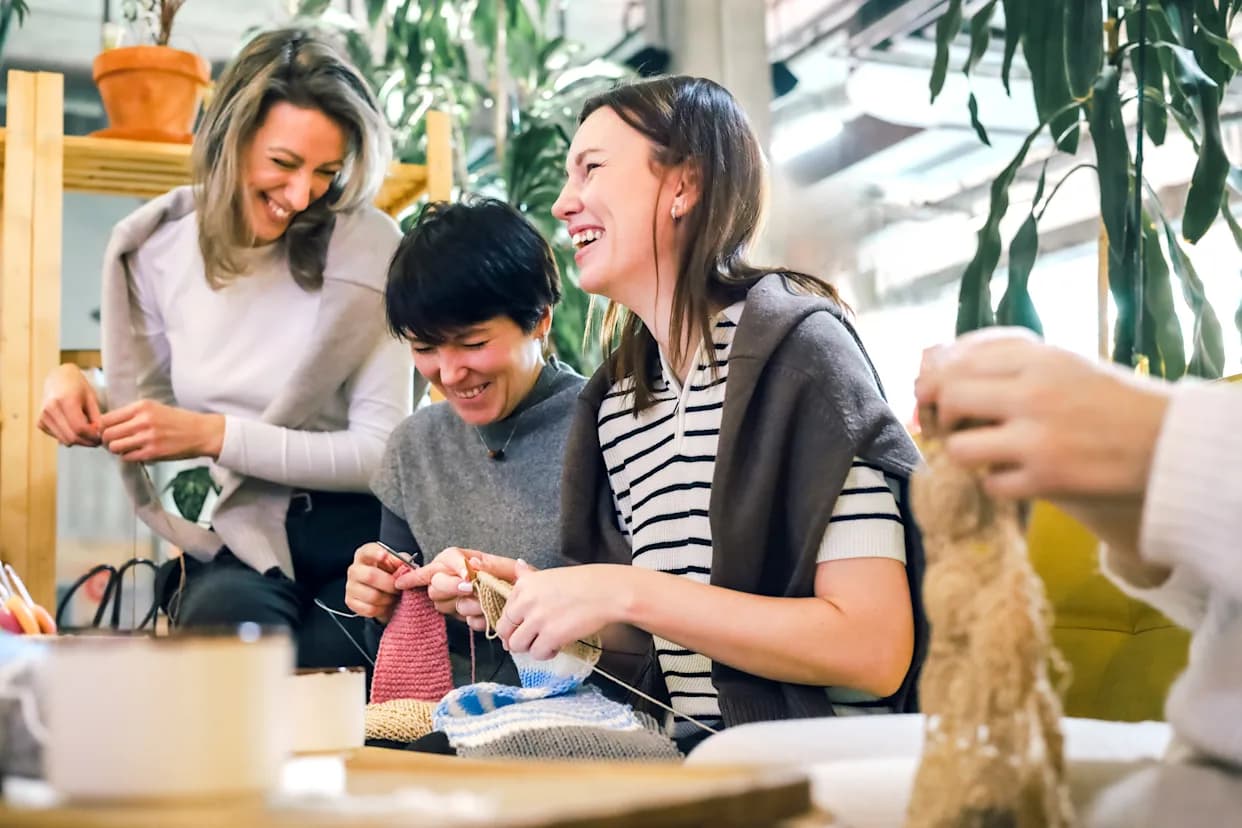
Analog hobbies are activities you do without screens: reading, crafting, puzzling, journaling, playing music, or anything else that keeps your hands busy and your mind engaged offline.
Google searches for "analog hobbies" have increased 1,300% since last year. Michaels reports a 136% spike in searches for analog crafts. The trend is clear: people are desperate for activities that don't involve staring at a glowing rectangle.
But most "analog hobby" lists are just that: lists. They don't tell you which hobbies fit a 10-minute break versus a lazy Sunday. They don't mention that knitting requires patience you might not have, or that sourdough demands a week-long commitment before you see results.
This guide is different. We've organized 30 analog hobbies by what actually matters: how much time they take, what they cost to start, and how steep the learning curve is. Whether you want something to do during your lunch break or a new weekend obsession, you'll find it here.
Ready to build your analog bag? Let's find your perfect hobby.
Quick-Start Hobbies (5 Minutes to Begin)
These hobbies require almost no setup. You can start right now with things you probably already own. 1. Adult Coloring Print a page, grab some pencils, and go. Adult coloring has been shown to reduce anxiety and improve focus. No artistic skill required. Start with mandalas or simple patterns before attempting detailed designs. Time: 10-30 min / Cost: Free (printables) / Level: Beginner 2. Reading The original screen-free activity. Physical books work better than e-readers for winding down before bed (no blue light). Join a library to make it completely free. Time: Any length / Cost: Free-$20 / Level: Beginner 3. Journaling Stream-of-consciousness writing, gratitude lists, or prompted journals. Writing by hand activates different brain pathways than typing. Start with just one sentence per day. Time: 5-20 min / Cost: $5 (notebook) / Level: Beginner 4. Doodling Not drawing. Doodling. Mindless patterns, shapes, and squiggles while you think or listen to something. Studies show doodling improves memory retention by 29%. Time: Any length / Cost: Free / Level: Beginner 5. Sudoku & Crosswords Pocket-sized puzzle books fit anywhere — or print your own. We have 30 free printable easy sudoku puzzles with answer keys, designed exactly for waiting rooms, commutes, or winding down before bed. Start with easy difficulty and work up. Time: 5-30 min / Cost: Free (printables) / Level: Beginner
Why Quick-Start Hobbies Work
- Zero learning curve — start immediately
- Most are free or nearly free
- Perfect for short breaks throughout the day
- No special equipment needed
Pro Tip
Keep supplies accessible. A coloring page and pencils by your couch, a puzzle book in your bag, a notebook on your nightstand. The easier it is to start, the more likely you'll actually do it.
Creative & Crafty Hobbies
These hobbies produce something tangible. There's deep satisfaction in creating with your hands. 6. Knitting Meditative, portable, and productive. You'll have scarves, hats, and blankets to show for your time. The learning curve is real but manageable. Start with a simple scarf (just one stitch, repeated). Time: 30+ min sessions / Cost: $15-30 starter kit / Level: Intermediate 7. Crochet Similar to knitting but uses one hook instead of two needles. Many find it easier to learn. Granny squares are perfect for beginners. Time: 30+ min sessions / Cost: $10-20 starter kit / Level: Beginner-Intermediate 8. Cross-Stitch Counting stitches to create patterns on fabric. Very portable, very satisfying. Modern patterns include everything from pixel art to snarky sayings. Time: 20+ min / Cost: $10-15 kit / Level: Beginner 9. Needlepoint Similar to cross-stitch but on stiffer canvas with thicker yarn. Trending hard right now. Beginner kits come with everything you need. Time: 30+ min / Cost: $20-50 kit / Level: Beginner 10. Perler Beads Arrange tiny plastic beads on a pegboard, then iron them into pixel art. Incredibly satisfying. Good for all ages. Time: 20-60 min / Cost: $15-25 / Level: Beginner 11. Origami Fold paper into shapes. Start with cranes, boats, or boxes. All you need is paper (even printer paper works). YouTube tutorials help but aren't required. Time: 10-30 min / Cost: Free-$10 / Level: Beginner-Intermediate
Why Crafts Work
- Tangible results you can see, use, or gift
- Meditative repetitive motions reduce stress
- Portable — work on projects anywhere
- Active online communities for inspiration
Budget Tip
Don't buy expensive supplies until you know you'll stick with it. Start with a cheap kit from a craft store or Amazon. If you're still doing it a month later, upgrade your materials.
Mind & Puzzle Hobbies
These hobbies exercise your brain without the constant stimulation of apps and feeds. 12. Jigsaw Puzzles Spread pieces on a table and work on it over days or weeks. Puzzles activate the left (logical) and right (creative) brain simultaneously. 500-piece puzzles are good for beginners; 1000+ for experienced puzzlers. Time: Hours (ongoing) / Cost: $10-25 / Level: Beginner 13. Chess Learn the basics in an hour, spend a lifetime mastering it. Play against a friend, join a club, or get a book of chess puzzles to solve solo. Time: 15-60 min / Cost: $15 (board) / Level: Beginner-Advanced 14. Rubik's Cube Learn the beginner method (about 7 algorithms) and you can solve any scramble. Satisfying fidget toy once you know the basics. Speed-cubing is its own rabbit hole. Time: Learning 2-3 hours, Solving 2-5 min / Cost: $10 / Level: Intermediate 15. Card Games (Solo) Solitaire, FreeCell, and Spider are classics for a reason. A physical deck forces you to shuffle and deal manually, which many find more satisfying than digital versions. Time: 10-20 min / Cost: $5 / Level: Beginner 16. Brain Teasers & Logic Puzzles Logic grid puzzles, Nonograms (Picross), KenKen, and similar. Find books of these at bookstores or print them online. Time: 10-30 min / Cost: $5-15 / Level: Beginner-Intermediate
Why Puzzles Work
- Keeps your mind sharp
- Clear goals and completion (unlike infinite scroll)
- Can be done solo or with others
- Progress is measurable
Writing & Reflection Hobbies
These hobbies help you process thoughts, preserve memories, and connect with others. I've gone through phases of buying fancy notebooks — Leuchtturm1917, Hobonichi, those expensive dot-grid journals from stationery shops. Here's what I learned: the notebook doesn't matter nearly as much as opening it. My most consistent journaling happened in a $3 composition book from Target. The fancy ones? Half-empty on my shelf, too "precious" to mess up. Unpopular opinion: expensive supplies don't make you better at analog hobbies. They often make you worse, because you're afraid to "waste" them. Start cheap. Upgrade only when you've proven you'll actually use it. 17. Gratitude Journaling Write 3 things you're grateful for each day. Takes 2 minutes. Research shows this practice increases happiness and reduces depression symptoms over time. 18. Morning Pages From The Artist's Way: write 3 pages of stream-of-consciousness every morning. No editing, no rereading. Clears mental clutter and sparks creativity. 19. Letter Writing Send actual mail. Handwritten letters feel special in a way texts never will. Find pen pals through sites like Slowly or Global Penfriends, or just write to family. 20. Poetry Write it, read it, memorize it. You don't have to share. Haiku (5-7-5 syllables) is a perfect entry point: short, structured, no pressure. 21. Junk Journaling / Scrapbooking Collect ticket stubs, receipts, photos, and ephemera. Arrange them in a journal or scrapbook. Preserves memories in a tangible way.
Why Writing Works
- Processes emotions and reduces anxiety
- Creates lasting records of your life
- Improves memory and self-awareness
- Strengthens relationships (letter writing)
Mindset Tip
Don't aim for perfection. Morning pages are meant to be messy. Letters don't need to be elegant. The act of writing matters more than the result.
Music & Audio Hobbies
Screen-free ways to enjoy and create music. 22. Learning an Instrument Ukulele is the easiest string instrument (4 strings, soft nylon). Harmonica is highly portable. Piano/keyboard teaches music theory. Guitar is everywhere for a reason. Even 15 minutes of daily practice adds up. Time: 15-60 min daily / Cost: $30-300 / Level: Beginner-Advanced 23. Vinyl Collecting Physical records force intentional listening. You can't skip tracks as easily. Thrift stores often have records for $1-5. The ritual of placing the needle is part of the appeal. Time: Album length / Cost: $50-200 (player) + $5-30/record / Level: Beginner 24. Dedicated Music Player An iPod Classic, MP3 player, or similar device lets you listen to music without the temptation of notifications, social media, or infinite streaming. Load it with albums you actually want to hear. Time: Any length / Cost: $50-150 / Level: Beginner
Why Music Works
- Music reduces cortisol and improves mood
- Learning instruments builds neural pathways
- Vinyl/dedicated players enable focused listening
- Playing music is meditative
Outdoor & Nature Hobbies
Get outside without your phone (or at least without using it). These hobbies don't need cost breakdowns — nature is mostly free, and the "skill level" is just showing up. 25. Gardening Start with herbs on a windowsill if you have no yard. Tending plants is proven to reduce stress and improve mood. You don't need a green thumb; you need patience and consistent watering. 26. Birdwatching A pair of binoculars and a field guide (or just your eyes). Surprisingly engaging once you start noticing which birds visit your area. Apps can help identify calls, but try without first. 27. Hiking Walking, but somewhere interesting. Leave your phone in your pocket (or at home). The goal is presence, not steps tracked. 28. Film Photography A used film camera costs $20-100. Film and developing costs money, which makes you slow down and be intentional about each shot. The wait for developed photos is part of the magic.
Why Outdoors Works
- Nature exposure reduces anxiety and depression
- Fresh air and movement improve physical health
- Forces presence (hard to scroll while hiking)
- Seasonal variety keeps it interesting
Start Small
Start with what's accessible. A 15-minute walk around your neighborhood counts. Houseplants count. You don't need wilderness to benefit from nature.
How to Choose Your Analog Hobby
With 30 options, how do you pick? Here's a decision framework: If you have 10 minutes: Coloring, journaling, doodling, sudoku, reading If you have 30+ minutes: Knitting, puzzles, letter writing, any craft If you have an afternoon: Jigsaw puzzles, board games, gardening, hiking If you want something free: Reading (library), doodling, journaling (use any paper), origami, poetry If you want to make something: Knitting, crochet, cross-stitch, needlepoint, perler beads, origami If you want brain exercise: Chess, Rubik's cube, logic puzzles, crosswords If you're easily frustrated: Start with coloring, reading, or puzzles (clear wins, low stakes) If you want social connection: Board games, book clubs, knitting circles, chess clubs Still unsure? Start with adult coloring. It's free, requires no skill, and you can do it in 10 minutes. If you like it, explore more creative hobbies. If you want more mental challenge, try puzzles instead. The best hobby is the one you'll actually do. Pick something that sounds fun right now, not something that sounds impressive or productive.
Decision Criteria
- Match hobby to available time
- Consider budget constraints
- Think about desired outcome (relaxation vs. challenge)
- Start simple, expand later
Final Thoughts
Analog hobbies aren't about rejecting technology. They're about balance.
Your phone will always be there. Instagram isn't going anywhere. But when you have 15 minutes to kill, you now have options beyond scrolling. Coloring pages in your bag. A puzzle book on your nightstand. Knitting needles for long car rides.
The 1,300% increase in "analog hobbies" searches tells us something: millions of people are looking for the same thing you are. A way to use their hands. A break from the endless feed. Something that feels finished when it's done.
Pick one hobby from this list. Just one. Try it this week. If it doesn't stick, try another. Eventually, you'll find activities that fit your life, your time, and your temperament.
And when you do, put them in a bag. Keep it close. Reach for it when your hand automatically goes for your phone.
That's the whole secret. It's not complicated. It's just... analog.
Get More Screen-Free Ideas
Join our newsletter for weekly analog activity ideas, free printables, and mindful inspiration.
No spam. Unsubscribe anytime.


Social Analog Hobbies
Disconnect from screens with other people. 29. Board Game Nights Host friends for board games. Modern board games have evolved far beyond Monopoly. Try Ticket to Ride, Catan, Codenames, or Wingspan for accessible entry points. Time: 1-3 hours / Cost: $20-50/game / Level: Beginner 30. Book Clubs Read the same book, then discuss it in person. Libraries often host free book clubs. Or start one with friends. The social commitment helps you actually finish books. Time: Reading + 1-2 hour meetup / Cost: Free-$15/book / Level: Beginner
Why Social Hobbies Work